The Reality of Machinery
A machine is like a living thing because it needs constant care. You cannot install an elevator and forget about it for five years. If you do, it will punish you. It will break down on the day you have guests. Therefore, maintenance is not an option; it is a necessity. A well-maintained Fuji lift can last 20 years. However, a neglected one might die in five. This guide teaches you how to keep your investment running smoothly in the harsh environment of Bangladesh.
The Environment is the Enemy
Dhaka is one of the dustiest cities in the world. Dust is the silent killer of elevator electronics. It settles on the circuit boards and traps heat. Eventually, this causes a short circuit. Therefore, your machine room must be sealed and clean. You should install an exhaust fan to keep the air moving. Because humidity is also high, rust attacks the steel cables. You must fight these elements daily.
Understanding the AMC (Annual Maintenance Contract)
You cannot fix an elevator yourself. It is dangerous and complex. Therefore, you must sign an Annual Maintenance Contract (AMC) with a professional company. This contract ensures a technician visits your building once a month. They check the oil, clean the sensors, and tighten the bolts. In Bangladesh, a standard AMC for a Fuji lift costs between BDT 5,000 and BDT 10,000 per month. While this seems like an expense, it is actually insurance.
The Vital Role of Lubrication
Friction is the enemy of movement. Your elevator runs on steel guide rails. If these rails are dry, the ride becomes jerky. You will feel vibrations in the cabin. Therefore, the technician must apply oil regularly. Fuji elevators usually have oil cups on the top of the car. These cups drip oil slowly onto the rails. You must check if these cups are full. If the rails are dry, the metal wears down quickly.
Door Maintenance is Critical
Seventy percent of elevator breakdowns happen at the door. The door mechanism works harder than any other part. It opens and closes hundreds of times a day. Dust gets stuck in the door sill (the groove at the bottom). When this happens, the door cannot close fully. Therefore, the lift refuses to move. You should ask your security guard to clean the door tracks with a brush every morning. This simple act prevents half of your problems.
The Automatic Rescue Device (ARD)
We have frequent power cuts in Bangladesh. The ARD is the battery system that brings the lift to the nearest floor when the power dies. However, batteries degrade over time. Often, building owners do not know the battery is dead until the power goes out. Then, someone gets trapped. Therefore, you must test the ARD monthly. Switch off the main power and see if the lift moves. If it fails, replace the batteries immediately.
Cleaning the Control Cabinet
The control panel is the brain of the elevator. It is full of sensitive microchips and inverters. As mentioned, dust is a major threat here. A good technician will use a blower to remove dust from the cabinet. However, they must be careful not to touch the high-voltage areas. Because Fuji drives (VVVF) generate heat, their cooling fans must work perfectly. If a fan stops, the drive overheats and burns. That is a remarkably expensive repair.
Monitoring the Wire Ropes
The steel ropes hold the weight of the cabin and the passengers. They are incredibly strong, but they stretch over time. If they stretch unevenly, the wear on the sheave (pulley) increases. Therefore, the technician must check the tension of the ropes. They should also look for “rouging.” This is a red dust that appears when the rope is rusting from the inside. If you see this red dust, you must change the ropes instantly.
The Importance of Pit Cleaning
The elevator pit is the space at the very bottom of the shaft. Trash, coins, and keys often fall through the door gaps and land there. Sometimes, water leaks into the pit during the monsoon. A wet pit is a disaster for the safety gear and cables. It causes rapid corrosion. Therefore, the pit must be dry and clean. Do not treat it as a garbage dump.
Listening to the Machine
You do not need to be an engineer to detect problems. You just need ears. A healthy Fuji lift is quiet. If you hear a squeaking sound, the guide shoes might be worn out. If you hear a clunking sound, the motor might be loose. A grinding noise suggests a bearing failure. Therefore, listen to your lift. Report any new noise to your service provider immediately. Early detection saves money.
Managing Voltage Fluctuation
Voltage fluctuation is common in our grid. A sudden spike can fry the main motherboard. While Fuji lifts are tough, they are not invincible. Therefore, you should install a voltage stabilizer for the lift. This device ensures the machine gets a steady 400V supply. It acts as a shield against the chaotic grid. The cost of a stabilizer is a fraction of the cost of a new circuit board.
Spare Parts Inventory
When a part breaks, you want it fixed today, not next week. However, parts often need to be imported. Therefore, smart building committees keep a small stock of essential spares. You should keep extra door sensors, relays, and buttons. If you have these on hand, the technician can fix the lift in minutes. It reduces the downtime significantly.
Handling the Technician
Not all technicians are experts. Some are just helpers who learned on the job. When the technician arrives, watch them. Do they just wipe the door and leave? Or do they actually go to the machine room? A proper service takes at least 45 minutes. They should have a checklist. Therefore, demand accountability. Sign their logbook only if they have done the work.
Safety Gear Test
Every elevator has a safety brake called the “governor.” If the lift falls too fast, this brake clamps the rails and stops the car. It is the ultimate safety feature. However, it can rust if never used. Therefore, you should ask your service provider to perform a “drop test” once a year. They will simulate a fall to ensure the brakes engage. It is scary but necessary.
The Cabin Interior
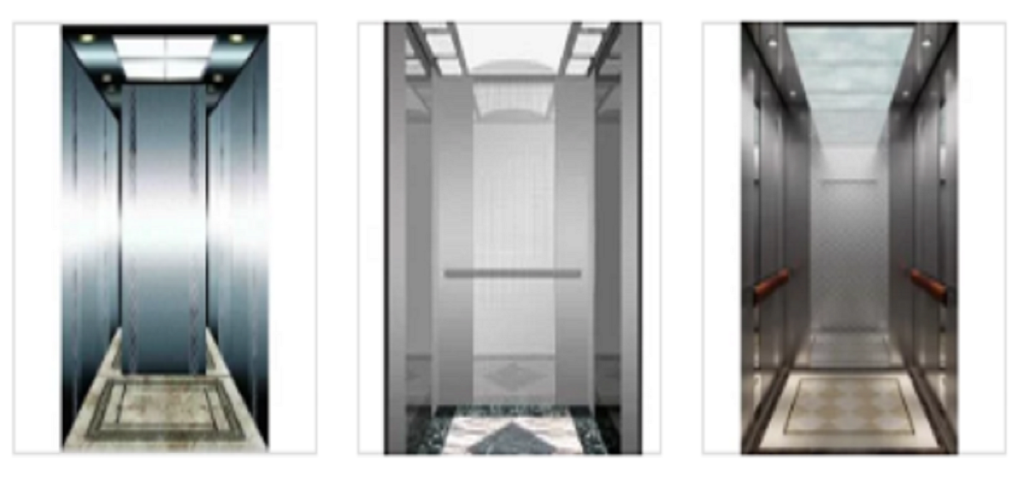
The cabin is where the passengers stay. It gets dirty from shoes and hands. Scratches and graffiti make the building look bad. You can polish the stainless steel to keep it shiny. However, be careful with water. Do not wash the floor with a bucket of water. The water can leak into the shaft and damage the electronics. Rather, use a damp mop.
Controlling the Load
Overloading is a common abuse in residential buildings. People try to fit furniture or heavy construction bags into the passenger lift. This strains the motor and the cables. Fuji lifts have overload sensors, but they can be bypassed. Therefore, you must enforce strict rules. Heavy shifting should be done with care. If the alarm beeps, someone must get out.
Upgrade and Modernization
Eventually, even a well-maintained lift gets old. After 15 or 20 years, technology moves on. The parts for an old Fuji model might become obsolete. Therefore, start planning for modernization early. You might keep the mechanical rails but replace the motor and controller. This gives you a “new” lift for half the price. It extends the life of the system for another decade.
Conclusion
Maintenance is a discipline. It requires budget, attention, and the right partner. A Fuji elevator is a workhorse that serves you faithfully if you feed it oil and keep it clean. Do not cut corners on the AMC. Do not ignore the warning sounds. Rather, be proactive. A safe, smooth elevator increases the happiness of every resident in your building.